

AAVIK
I-Series
20.000,00 €*
Dieses Produkt ist nur im Ladengeschäft erhältlich
Sofort verfügbar, Lieferzeit: nur im Laden
Produktinformationen "I-Series"
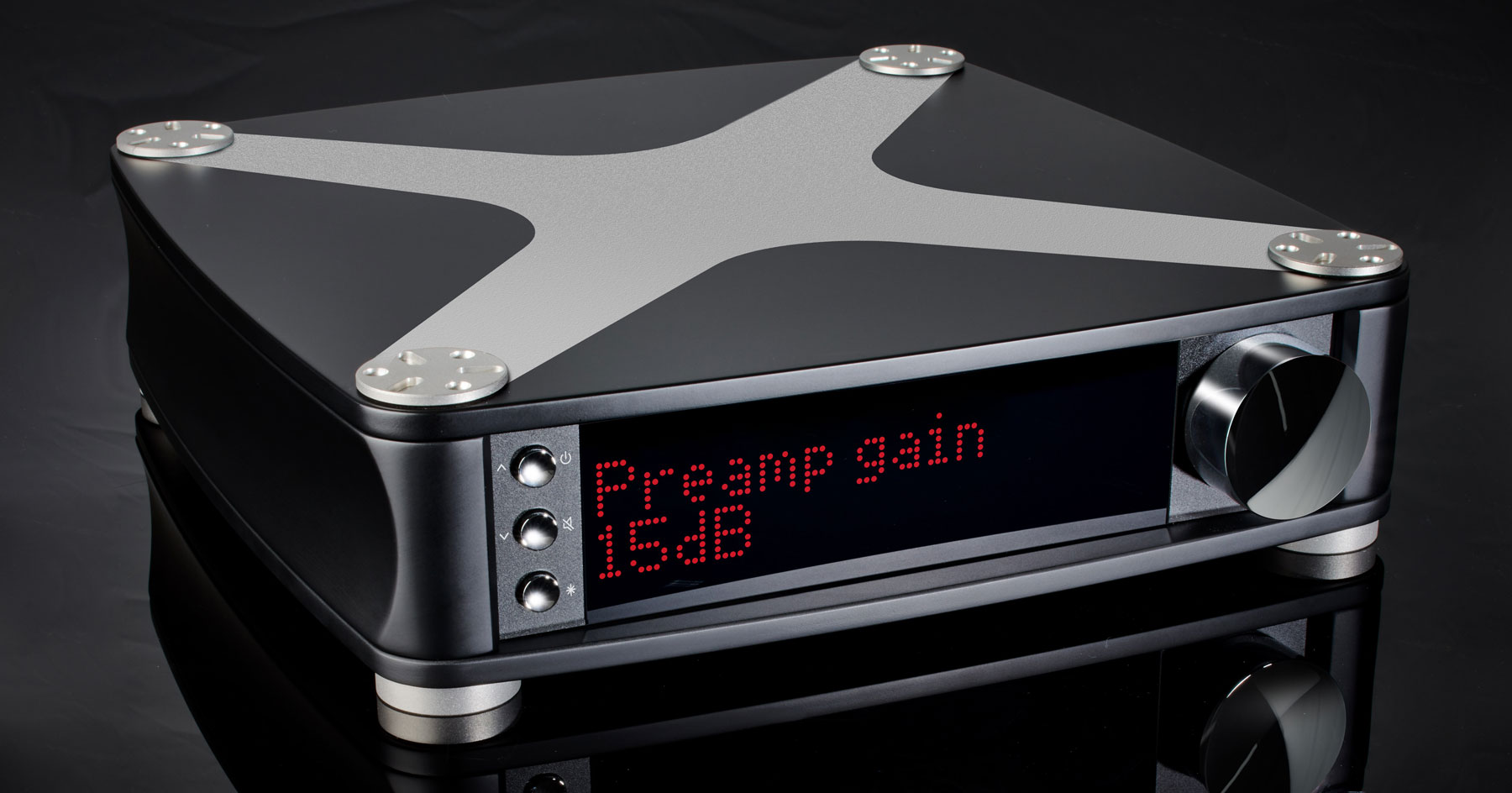
PRESENTING THE AAVIK INTEGRATED AMPLIFIER 180 / 280 / 580
The Amplifier – your control and powerhouse
The Aavik amplifier receives the inputs from your individual Hi-Fi devices and transforms these signals into an authentic musical experience.
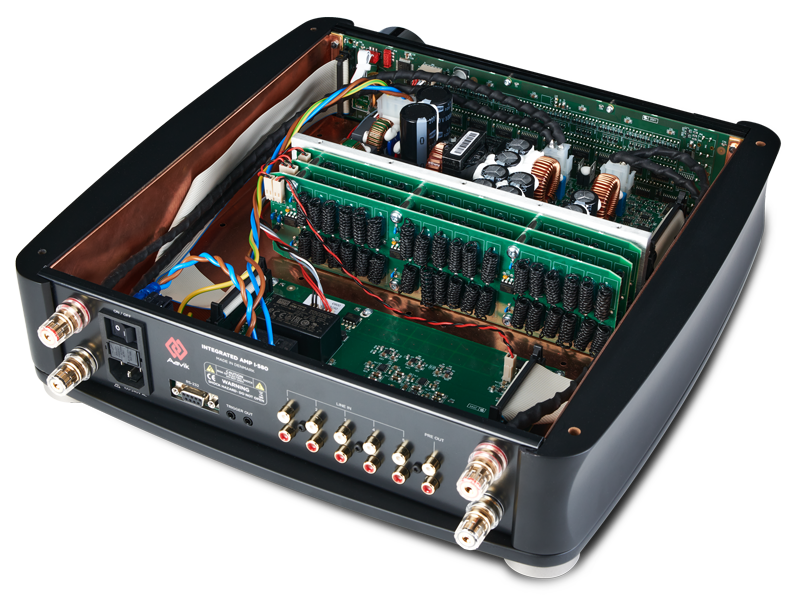
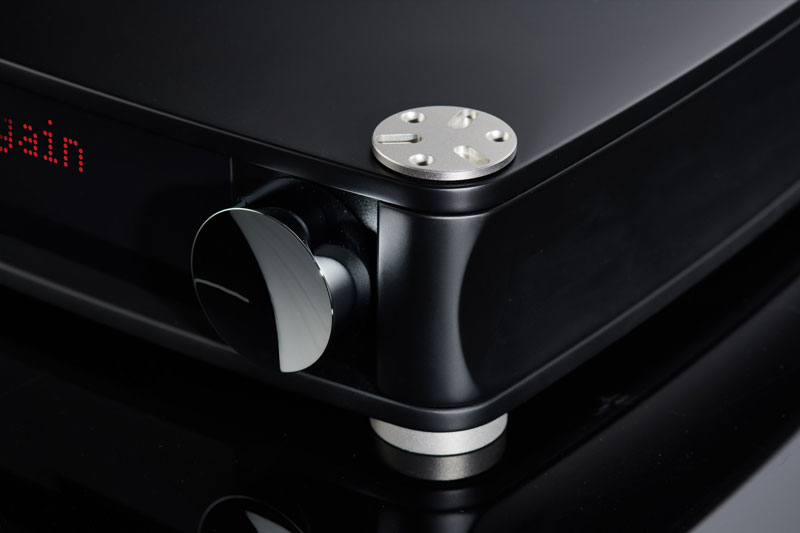
Therefore, the architecture of the new Aavik amplifier boasts sophisticated high-end electronic components set in a state-of-the-art enclosure. Based on ample power supplies, the Aavik amplifier provides unprecedented dynamic speed, tight control and balanced stability, which creates persuasive and crystal clear soundstage images that reflect even finest sonic details.
AAVIK UMAC™ AMPLIFIER – UNMATCHED AUDIO CONTROL
At Aavik we utilize the patented UMAC™ amplifier technology. This technology was developed to avoid the design flaws of traditional switching amplifiers. UMAC technology primarily targets two areas of modulated amplifier design. Firstly, the PWM1) generation is produced with sine wave modulation rather than the more common triangle modulation. The benefit is that sine waves create far less high frequency noise than triangles, no sharp corners, and thus require far less inductive filtering at the output. The lower inductance in the output gives the amplifiers a much better damping factor and thus a distinctly better speaker control. Secondly, the advanced dual mixed mode feedback allows damping factors that are characteristic of only the very best linear amplifiers.
1) PWM: Pulse-Width Modulation
VOLUME CONTROL – AFFECTS THE SONIC EXPERIENCE
The Aavik line stage boasts a unique, inverted, virtual GND1) amplifier topology, which provides the highest stability. The feedback gets so powerful that it allows to damp the signal to a gain lower than 1. This preserves the full signal with the lowest S/N Ratio2) - no matter if you turn the volume up or down. This will provide your loudspeakers with a clear and distinct information flow to make even the finest details of timbral and textural nuances audible on an extremely quiet sound stage.
1) GND: Ground 2) S/N Ratio: Signal-to-Noise Ratio